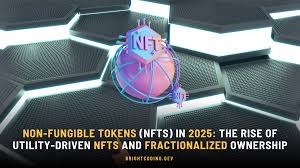
The world of digital assets has undergone a remarkable transformation in just a few short years. From being mere collectibles, often tied to digital art or gaming avatars, non-fungible tokens (NFTs) have grown into powerful instruments of value with real-world applications. In 2025, the conversation is no longer just about owning a picture on the blockchain—it’s about leveraging digital ownership for practical purposes, financial benefits, and community-driven innovation.
This evolution reflects a broader trend within Web3: the shift from speculation to utility. Just as platforms like togelslo88 adapted to serve online entertainment markets, NFTs are evolving to meet the needs of industries far beyond gaming and art. The rise of utility-based tokens represents a pivotal chapter in the history of blockchain adoption.
The Rise of NFTs: A Brief Look Back
The NFT boom began in 2020–2021 when digital art collections like Beeple’s Everydays or projects such as Bored Ape Yacht Club dominated headlines. People paid millions for pixelated images and collectible avatars. While critics dismissed NFTs as a bubble, enthusiasts recognized the revolutionary nature of digital ownership secured on the blockchain.
By 2023, however, hype had begun to fade. Prices collapsed, and many casual investors abandoned the space. Yet, just as with early dot-com companies, innovation persisted beneath the surface. The question wasn’t whether NFTs had value—it was how they could deliver value in a sustainable way.
From Collectibles to Utility
In 2025, NFTs are no longer about speculation. Instead, they are becoming tools for solving real problems:
-
Gaming and Metaverse Integration
Digital assets now grant players true ownership of in-game items. Imagine owning a rare weapon in a video game that you can sell or use across multiple platforms. Games like Illuvium and Star Atlas pioneered this shift, while newer titles in 2025 have fully embraced blockchain integration. -
Event Access and Memberships
NFTs are being used as digital tickets or VIP passes. A festival ticket as an NFT allows for secure transfers, reduced fraud, and added perks such as loyalty rewards. Even music streaming services are experimenting with NFT-based subscriptions. -
Finance and Real Estate
Fractionalized ownership of real-world assets is now possible. An apartment or commercial space can be tokenized into NFTs, allowing multiple investors to share ownership transparently. The finance industry is also seeing NFTs used as collateral for loans—proof that the blockchain revolution is taking root in traditional markets. -
Identity and Authentication
Digital IDs powered by NFT technology are being used for verification in banking, healthcare, and e-commerce. Instead of logging into multiple platforms with passwords, an NFT-based identity ensures security and privacy in a decentralized way.
The Role of Community
One of the most significant aspects of NFTs in 2025 is their ability to build communities. Brands, artists, and companies are using NFTs not just to sell products but to create ecosystems of loyalty and engagement. Holders gain voting rights, access to exclusive products, and direct interaction with creators.
This mirrors how togelslo88, as an online entertainment platform, builds loyalty by rewarding users and providing interactive engagement. Just like NFT communities thrive on exclusivity and benefits, online platforms that embrace blockchain features are enhancing the user experience in exciting new ways.
Challenges Ahead
Despite progress, digital assets still face hurdles:
-
Regulation: Governments are scrambling to set guidelines for NFT use in finance and real estate. Questions of taxation, compliance, and intellectual property remain unresolved.
-
Sustainability: Blockchain technology has improved, but concerns about energy consumption and scalability persist.
-
Adoption Barriers: Many people still find wallets, private keys, and blockchain jargon intimidating. Simplifying the user experience will be crucial.
NFTs as a Gateway to Web3
NFTs have become the gateway for many newcomers to Web3. They introduce the concept of verifiable digital ownership in a way that is tangible and easy to understand. From there, users discover other blockchain applications—decentralized finance (DeFi), tokenized real estate, or metaverse experiences.
The potential of NFTs as utility-driven assets aligns with the broader vision of the decentralized internet: a world where individuals, not corporations, own their data, digital goods, and identities.
Looking Forward: The Next Decade
The coming years will define whether NFTs can mature into mainstream tools. By 2030, we may see:
-
NFT-based IDs as the norm for online authentication.
-
Smart homes and IoT devices integrated with blockchain-based ownership.
-
Entire economies within the metaverse powered by NFTs, with seamless links to real-world finance.
-
Platforms like togelslo88 and other digital hubs exploring NFT-powered loyalty systems, rewards, and community-driven growth.
In short, what started as a speculative bubble has grown into a robust technological movement. The evolution from NFT to utility reflects not just a change in digital assets but a transformation in how humans perceive ownership, value, and connection in the digital age.
The NFT journey in 2025 represents one of the most fascinating transformations in tech history. From digital art collectibles to real-world applications, NFTs are proving their worth as more than just hype. Whether used for gaming, finance, identity, or community building, these tokens are setting the stage for the next generation of digital interaction.
As platforms across industries, including togelslo88, continue to adopt blockchain innovation, the line between the digital and physical worlds will blur even further. NFTs are no longer just about owning something online—they’re about creating a utility-driven ecosystem where value is transparent, transferable, and community-based.
The future of digital assets is not just bright—it’s practical, functional, and inevitable.
Also Read: https://www.lanskysnyc.com/store/